

16th March 2025
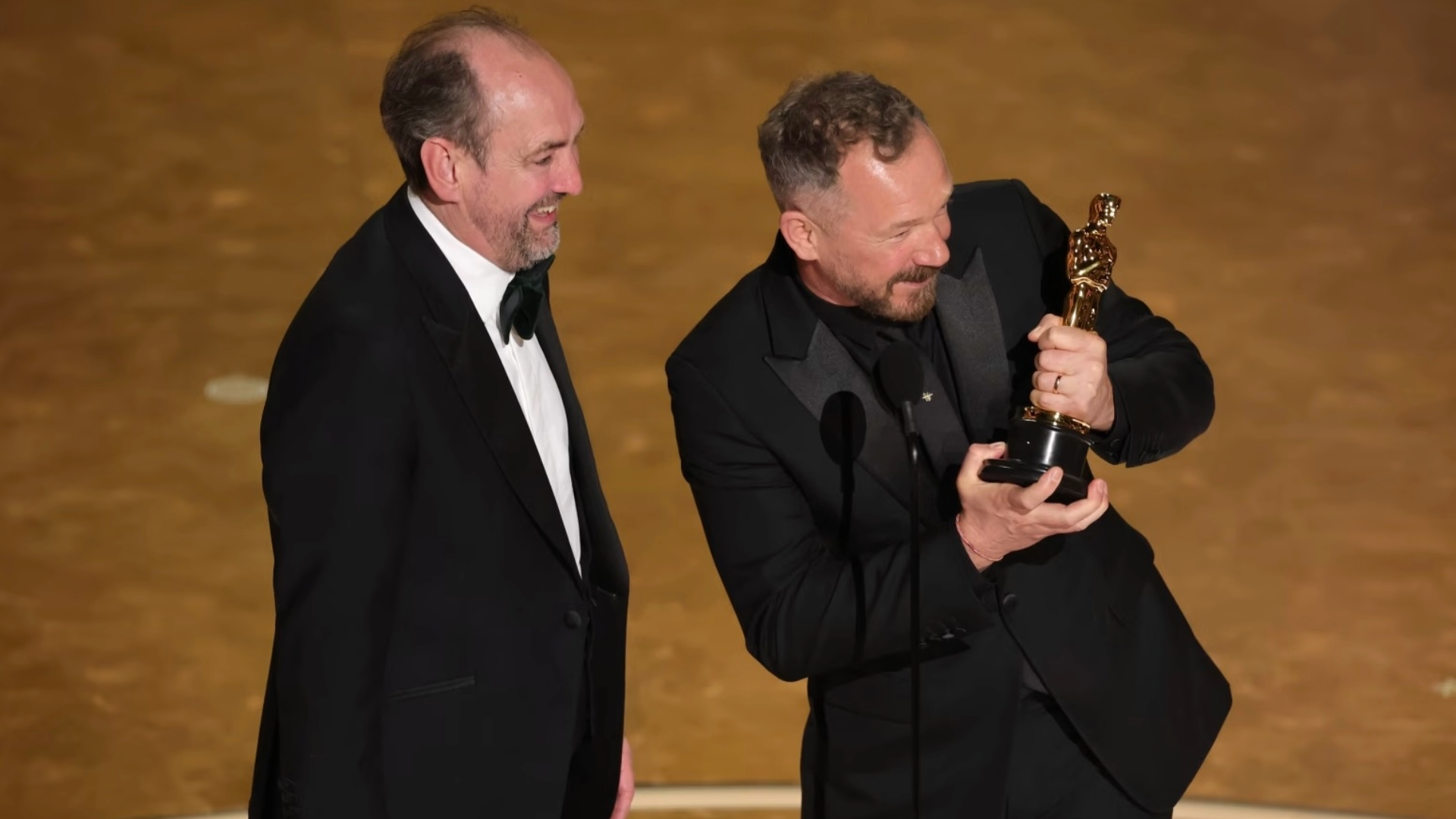
Two weeks on from the 97th Academy Awards, the buzz around the winners is starting to settle, but one victory continues to resonate deeply within the world of physical set construction: the Oscar for Best Production Design, which went to Nathan Crowley and Lee Sandales for their breathtaking work on Wicked.
The win for the cinematic adaptation of the beloved musical is a powerful validation of the craft, proving that even in a world of limitless digital possibilities, the Academy still recognises the immense value of a tangible, built environment.
The category this year was a masterclass in diverse world-building, showcasing the incredible range of the Production Designer’s art:
• The Brutalist (Production Design: Judy Becker & Patricia Cuccia): A stark, mid-century architectural vision that used concrete and clean lines to reflect the cold, ambitious heart of its characters.
• Conclave (Production Design: Suzie Davies & Cynthia Sleiter): A masterwork of historical recreation, demanding meticulous detail to bring the secretive, ancient world of the Vatican to life.
• Dune: Part Two (Production Design: Patrice Vermette & Shane Vieau): A monumental achievement in scale, blending practical desert landscapes with colossal, brutalist structures to expand an already iconic sci-fi universe.
• Nosferatu (Production Design: Craig Lathrop & Beatrice Brentnerova): A chilling, gothic nightmare realised through oppressive shadows and decaying European architecture, relying heavily on atmosphere and texture.
While the competition was fierce, Wicked ultimately soared. Nathan Crowley, a seven-time nominee, finally secured his first Oscar, a testament to his commitment to grounding the fantastical in reality. The scale of the sets – from the vibrant, meticulously detailed streets of the Emerald City to the dark, oppressive interiors of the Wizard’s palace – required a massive physical build.
Crowley and Sandales’ approach was a bold one: to build as much as possible. This commitment to practical construction ensured that the actors had a real, textured world to inhabit, which in turn gave the film a visual weight and authenticity that digital environments often struggle to achieve.
The result is a world that feels lived-in, not just rendered.
As a company dedicated to the art of physical set construction, we see this win as a huge moment.
It underscores the fact that the most memorable, immersive, and award-winning cinematic worlds are those that are first and foremost built.
The Production Design Oscar is, and remains, a tribute to the architects, the builders and the craftspeople who create the physical foundations for movie magic.
Hopefully one of our films will be in the running too next year.
Wicked!